
Light, Breathe, Map: Crafting Candle Rituals for Sleep, Focus, and Calm
Today we explore aromatherapy mood mapping and design custom candle blends for sleep, focus, and calm. Together we will trace how scent steers emotion, pair botanical notes with intentions, and turn gentle flame into a practical compass for nightly rest, razor-sharp concentration, and soothing balance during hectic, unpredictable days.
Reading Your Inner Weather with Scent
Before pouring wax or choosing oils, we pause and notice. Aromas can echo memories, shift breath, and nudge our nervous system toward softness or alertness. By mapping how particular notes affect you across different moments, you’ll build reliable, personalized guides for unwinding, sharpening attention, and restoring steady calm even when life tilts sideways.
The Scent–Emotion Compass
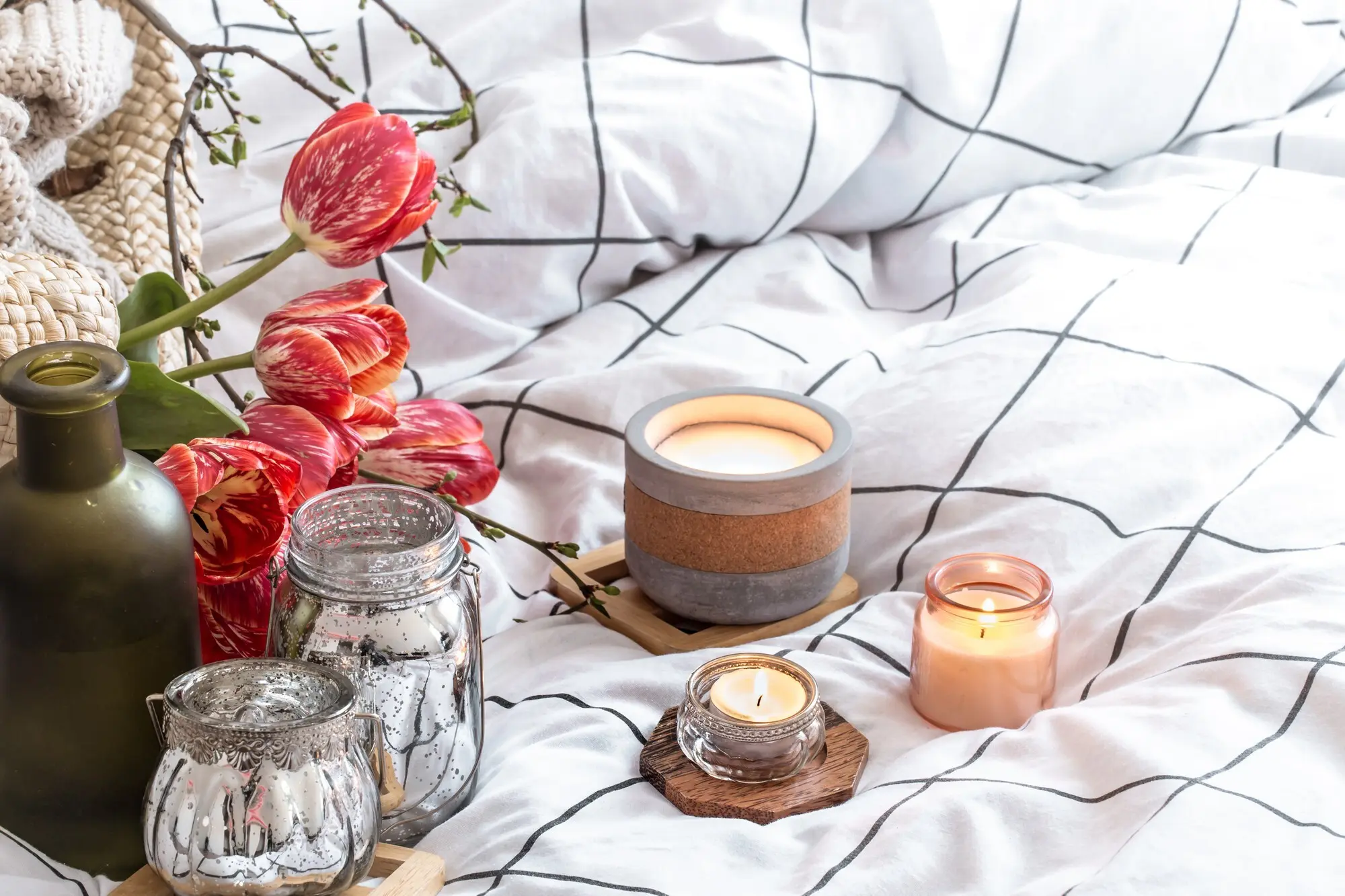
Create a simple chart linking aromas to sensations and contexts. Maybe lavender loosens your shoulders only after sundown, while rosemary brightens lunchtime fog. Revisit the chart weekly, adjusting associations with honest notes. Over time, the compass grows dependable, translating fragrance families into gentle cues your body recognizes without negotiation.
Baselines, Triggers, and Timing
Identify your resting state before lighting any wick. Are you wired, heavy, scattered, or numb? Track triggers like screens, meetings, or workouts, then time candles accordingly. Calming blends land better after small movements; focusing blends benefit from hydration and fresh air. Precision in timing transforms pleasant scent into repeatable emotional support.
Journaling to Refine Patterns
Keep a quick, low-pressure journal beside your matches. Log the blend, setting, five-minute feeling, and thirty-minute outcome. Note sleep latency, study retention, or how long calm lingers after extinguishing. These observations reveal subtle mismatches, like overly sweet top notes before bed, and inspire confident tweaks that honor your daily rhythms.
Why Notes Work: Gentle Chemistry Behind Feelings
Aromas are stories told in molecules. Linalool and linalyl acetate often soften edges; 1,8-cineole opens breath; beta-caryophyllene grounds. You need not memorize every terpene to benefit. Understanding broad tendencies helps steer blends with humble accuracy, while your nose, mood logs, and rituals keep the science rooted in lived experience.
Designing Nightfall: Blends That Invite Sleep
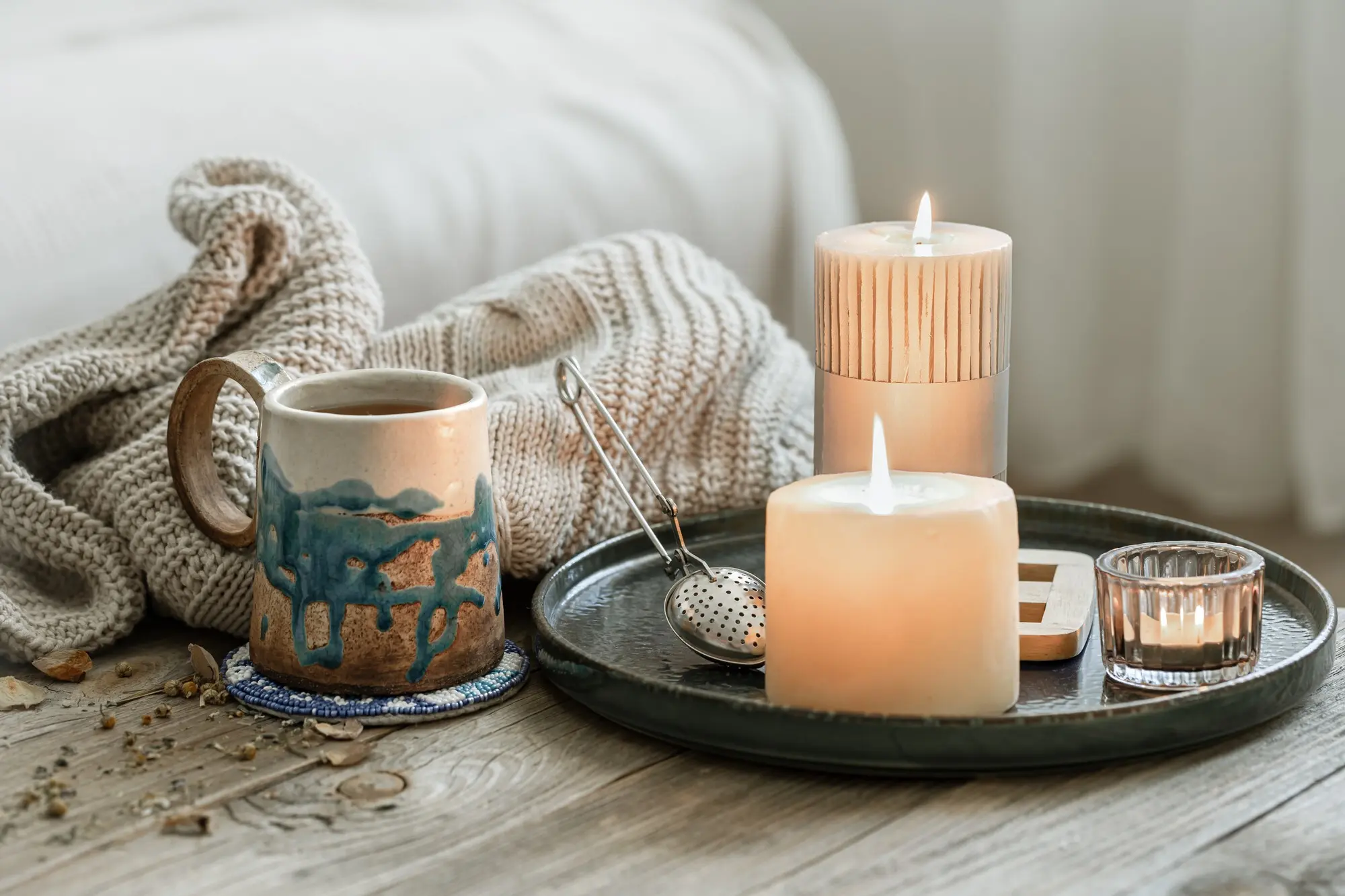
Restful candles should dim cognitive chatter gently, not knock you flat. Aim for soothing hearts and patient bases, letting the flame be a bedtime cue rather than a command. A predictable pre-sleep ritual, consistent lighting time, and darkened room pair with your blend to shorten the distance between intention and drifting dreams.
Cozy Night Formula
Try a calming composition: lavender, Roman chamomile, and cedarwood in a balanced top–heart–base structure. Anchor with a hint of vanilla or benzoin for comfort. Keep sweetness restrained to avoid cloying heaviness. Light thirty minutes before bed, read two soothing pages, and let breath follow the slow, warm rise of the melt pool.
Wind-Down Ritual That Works
Lower overhead lights, silence notifications, and warm a cup of herbal tea as your candle begins to throw. Stretch shoulders, unclench jaw, and journal three lines of gratitude. This steady sequence teaches your body to associate fragrance with safe release, making sleep feel like a familiar shoreline rather than an elusive horizon.
Lighting the Mind: Blends for Deep Focus
Focus candles should clarify without tightening. Crisp tops cut mental fog, while a steady heart prevents fidgety energy. The goal is sustained attention with relaxed jaw and open breath, ideal for writing, studying, budgeting, or designing. With consistent cues, even short sessions become spacious, productive sprints anchored by dependable aromatic structure.
Cultivating Calm: Candles for Gentle Grounding

Shoreline Ease Formula
Combine bergamot FCF, frankincense, and a hint of clary sage over a soft cedar base. The citrus widens perspective, resins deepen exhale, and herbal nuance eases rumination. Use during difficult conversations or post-commute decompression. As the wax warms, imagine pebbled shallows, waves arriving and leaving, your posture loosening with each return.
Micro-Pauses That Actually Help
Every ninety minutes, stop, light your calm candle, and perform three rounds of four-count box breathing. Sip water, scan shoulders, and name one sensation without judgment. These tiny rituals compound into steadiness, teaching biology that support is available, predictable, and kind, even when inboxes swell or schedules hiccup unexpectedly and loudly.
A Commuter’s Story
Mila kept a travel tin with resinous-citrus balance by her entryway. Lighting it during shoe removal marked the shift from incoming noise to home. Over weeks, her shoulders dropped sooner, dinner conversations softened, and nightly journaling finally stuck. Small, repeatable cues turned transition chaos into a kinder, almost ceremonial doorway.
Craft That Honors Aroma: Wax, Wicks, and Throw
Technical choices protect your intention. The right wick prevents sooting and tunneling, while wax type shapes scent diffusion and cure time. Testing makes art measurable. With patient iterations and notes, your candles will smell consistent, burn evenly, and deliver the emotional guidance you mapped with care and thoughtful attention.
Wax and Wick Pairings
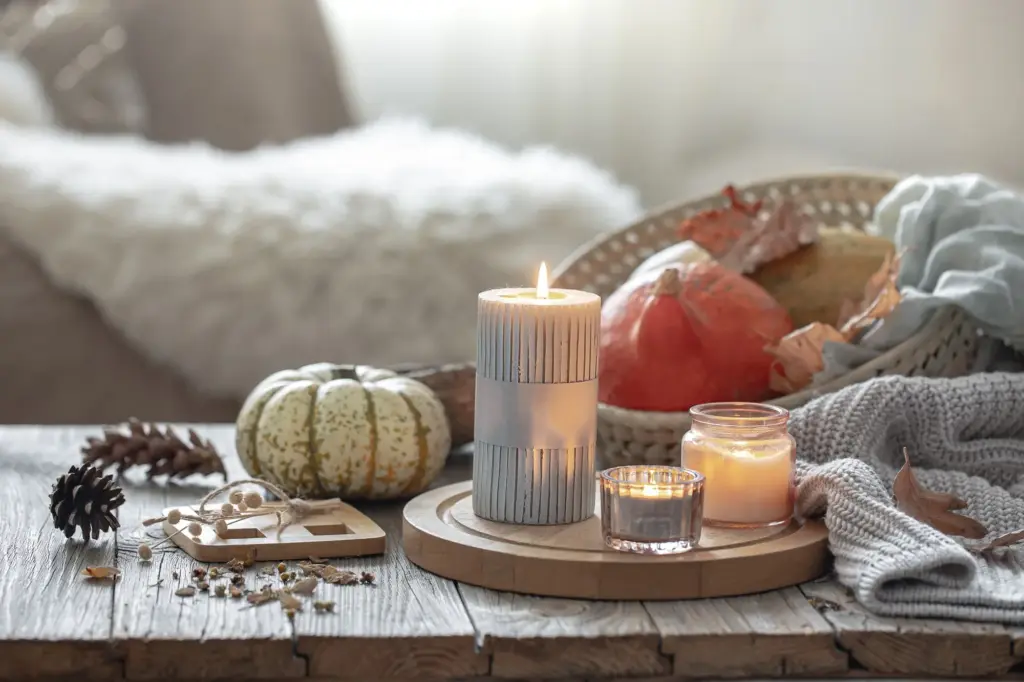
Soy often loves a slightly larger wick after full curing; coconut blends throw gently and creamy; beeswax brings honeyed depth but can restrain delicate tops. Start with manufacturer charts, then test jars across burn cycles. Keep wicks trimmed to five millimeters to curb mushrooming, protect air quality, and maintain composure.

Scent Load and Cure Time
Follow supplier maximums, and resist overloading—too much oil can mute throw or destabilize burn. Stir thoroughly at recommended temperatures, then let soy blends cure a week or two. Record cold and hot throw, noting changes after days. Patience grants roundness, making sleep, focus, and calm blends feel believable and breathable.
Rituals, Reflection, and Community
{{SECTION_SUBTITLE}}
Morning and Evening Anchors
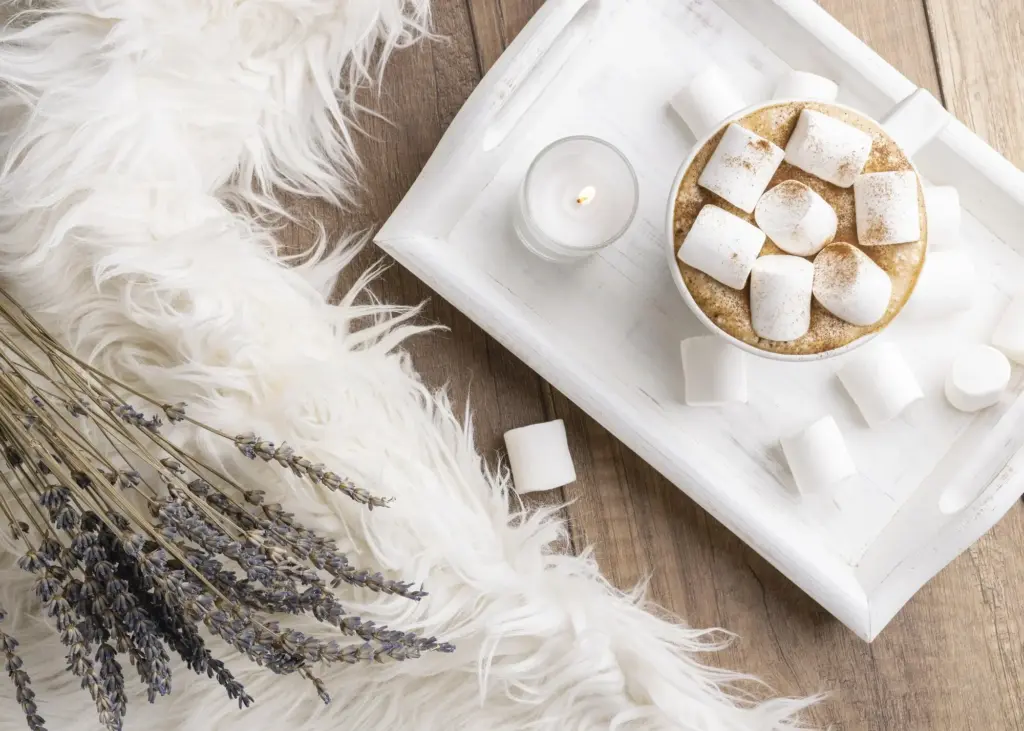
Use a focus candle to begin your day with clarity, then close the loop with your sleep blend at dusk. The bookended pattern signals safety to your nervous system. Share your anchor pairings below so newcomers can borrow routines, adapt them thoughtfully, and discover their own repeatable, compassionate rhythms within days.

Sensitivity and Accessibility
Offer unscented intervals, lighter throws, and cleaner-base candles for friends sensitive to fragrance. Provide alternatives like reed diffusers placed far from faces. Respectful adaptation widens the circle without diluting intention. Calm means everyone belongs around the flame, able to breathe comfortably, participate fully, and benefit from rituals crafted with care.