Light, Memory, and Atmosphere at Home

Today we explore Home Scentscapes with Handmade Candles, turning everyday rooms into sensorial stories shaped by wax, fragrance, color, and ritual. Expect practical guides, heartfelt anecdotes, and tested techniques you can repeat, refine, and personalize. Share your questions, swap blending ideas, and subscribe for ongoing recipes, seasonal palettes, and safety checklists.

Scent Architecture 101

Designing scent for a living space begins with intention, flow, and a little aromatic strategy. Think beyond a single jar and consider how top, heart, and base notes guide mood from hallway to bedroom. Learn to balance hot throw, room size, and airflow so your candles communicate welcome, focus, and rest without ever overwhelming the senses.

Mapping Rooms by Mood

Sketch a fragrance map that mirrors daily rhythms: bright citrus and herbs greet at the entry, contemplative woods anchor the study, and soft florals hush the bedroom. Account for doors, vents, and traffic so aromas transition gracefully between zones. Layer compatible accords in adjacent rooms, avoiding clashes by repeating a unifying base that whispers continuity.

Understanding Notes and Throw

Top notes sparkle first, hearts hold character, and bases linger, but wax type, wick, and vessel diameter shape how far fragrance travels. Aim for a full melt pool to unlock hot throw, and remember cold throw previews personality unlit. Document conditions, then tweak wick size or vessel width to convert faint impressions into confident diffusion.

Choosing the Right Wax

Select based on goals: soy offers clean burns and gentle aesthetics but benefits from a one to two week cure. Coconut–apricot often throws beautifully at lower temperatures. Beeswax adds golden warmth and quiet sweetness. Paraffin’s throw is powerful yet demands mindful sourcing. Blends invite balance; test small batches to confirm texture, adhesion, and fragrance fidelity.

Wick Sizing and Burn Tests

Begin with the smallest recommended wick for your vessel, then scale up only if tunneling persists after a three-hour trial. Trim to a quarter inch before each burn to prevent mushrooming and soot. Track melt pool width, flame height, and glass temperature, iterating calmly until the candle sustains an even pool without overheating or flickering distress.

Safe, Stylish Containers

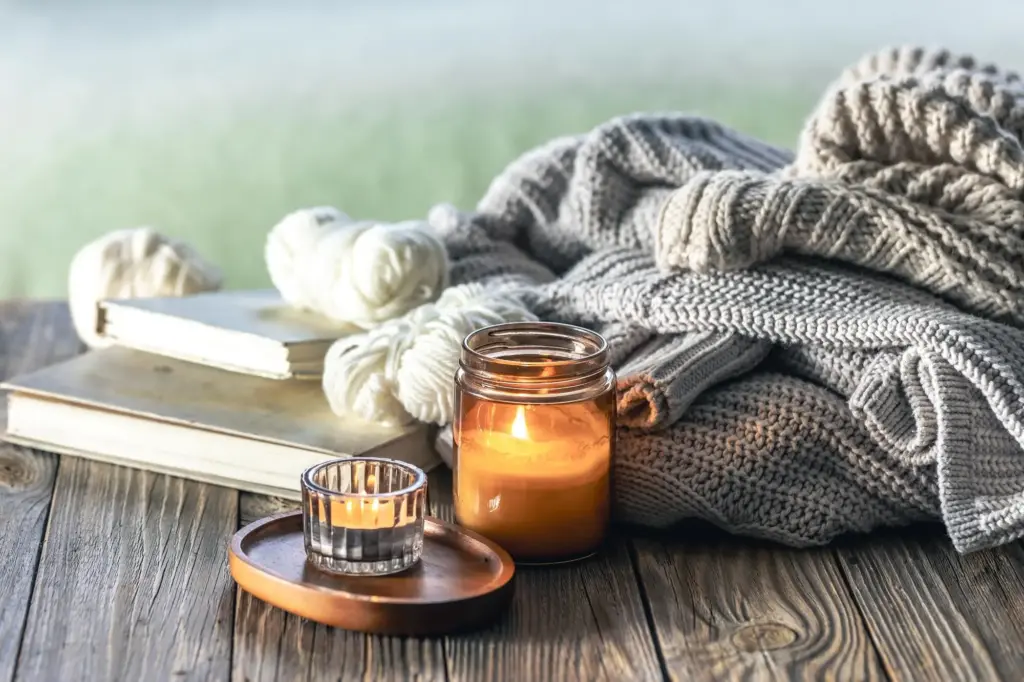
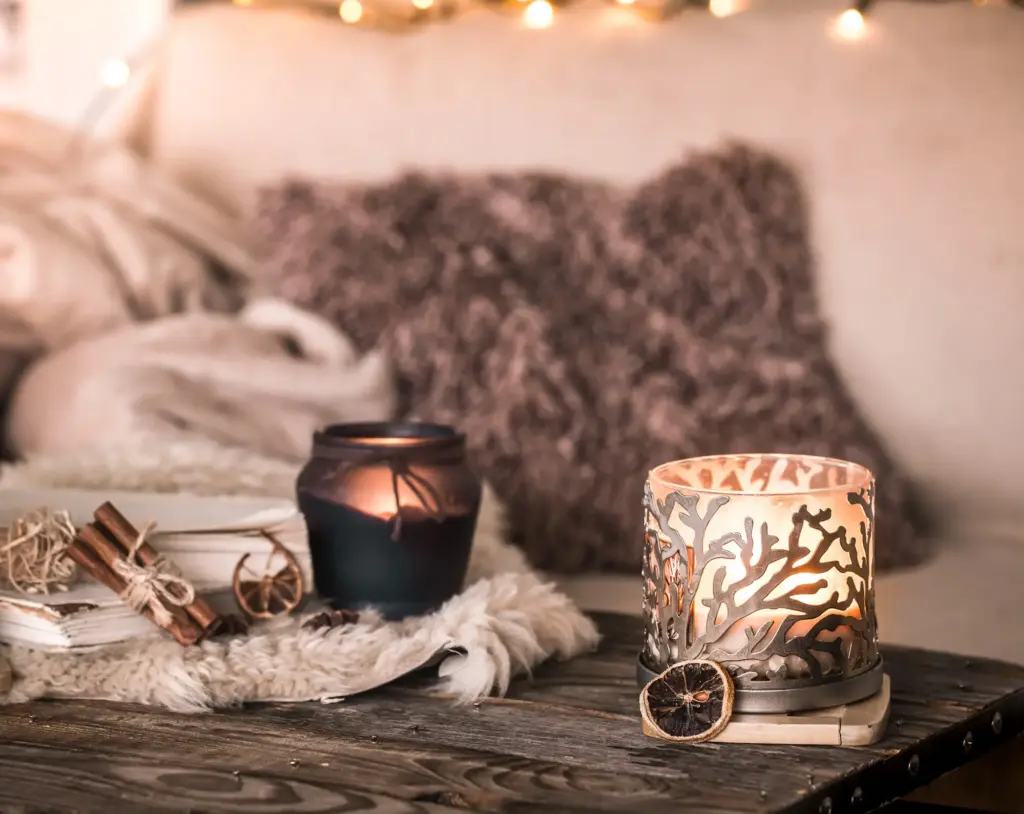
Choose vessels designed for heat: thick-walled, tempered glass, or tested ceramics with lead-free glazes and generous wick clearance. Tins travel well and cool predictably. Avoid fragile antiques and containers with hairline cracks. Allow headspace for flame safety, shield from drafts to curb leaning flames, and pre-warm containers in cool rooms to reduce thermal stress.

Blending Fragrances Like a Perfumer

Balance artistry with evidence by building accords in ratios that suit wax solubility and safety. Many blends thrive between six and ten percent fragrance load, though IFRA limits and specific oils vary. Combine naturals and lab-created notes thoughtfully, test on blotters, then in wax, and let candles cure fully so hidden harmonies reveal themselves with patience.

Color Psychology at Home

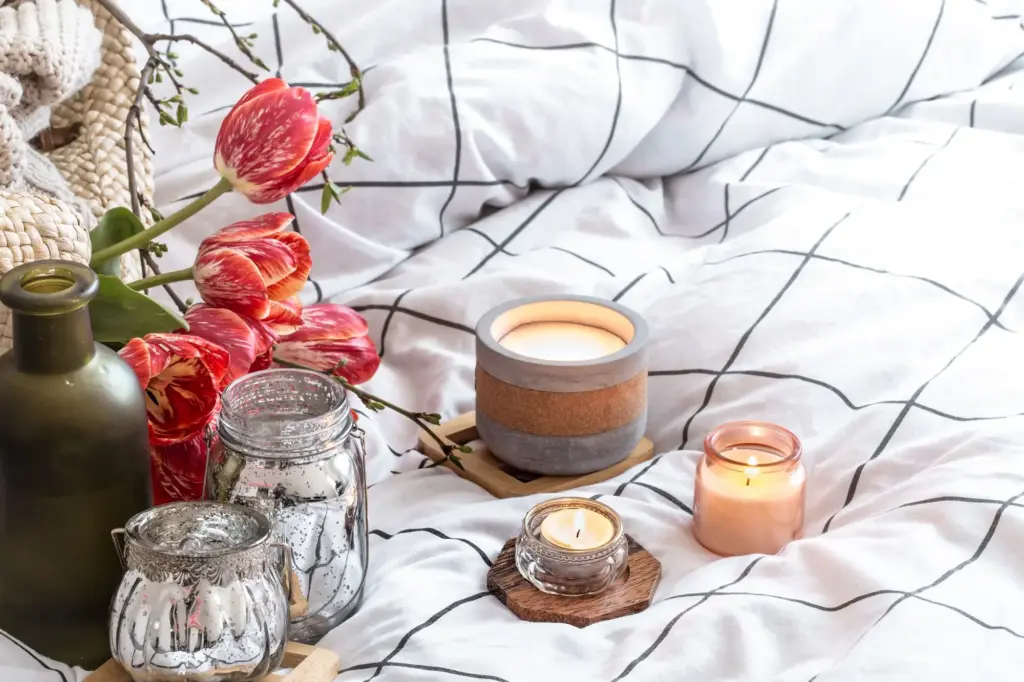
Pair scent with palette to guide feeling: tranquil greens and foggy blues for bedrooms, honey ambers for dining warmth, and soft neutrals for open plans. Let glass tint echo the fragrance story. Too much saturation can crowd the eye; restraint leaves room for breath. When color, light, and aroma agree, rooms feel intuitively arranged and deeply kind.

Surface Finishes and Embeds

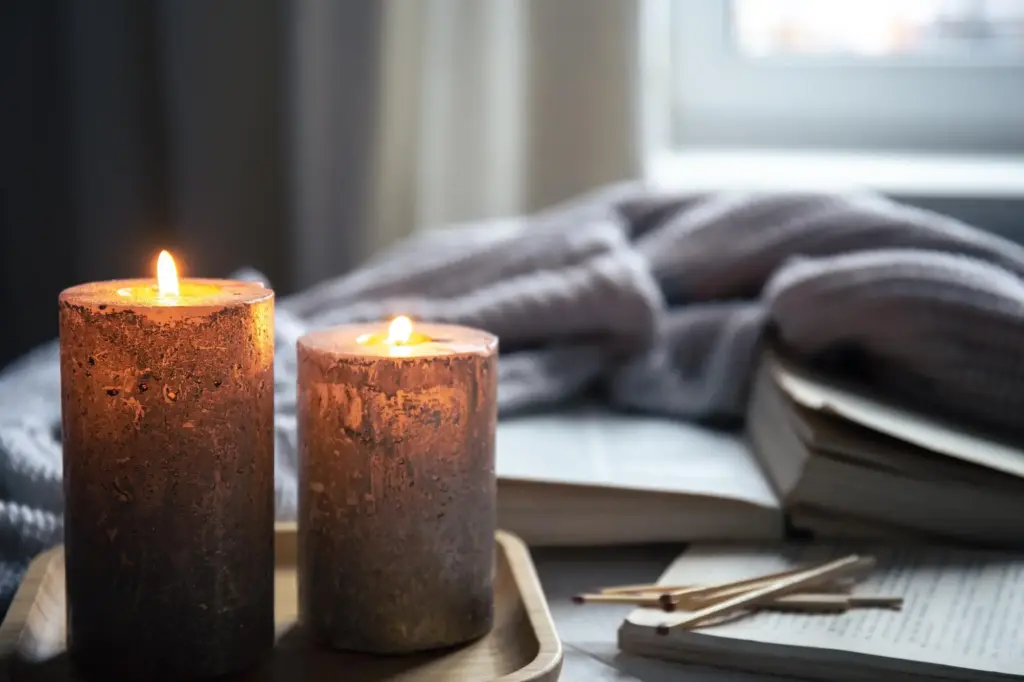
From velvet-matte tops to marbled swirls, surface texture becomes a tactile prelude. If adding botanicals or wax embeds, keep them far from the wick path and test repeatedly for safe burns. Embrace natural frosting as character rather than flaw. A thoughtfully imperfect surface can whisper craft, honesty, and the human hand that poured the memory.

Rituals and Routines

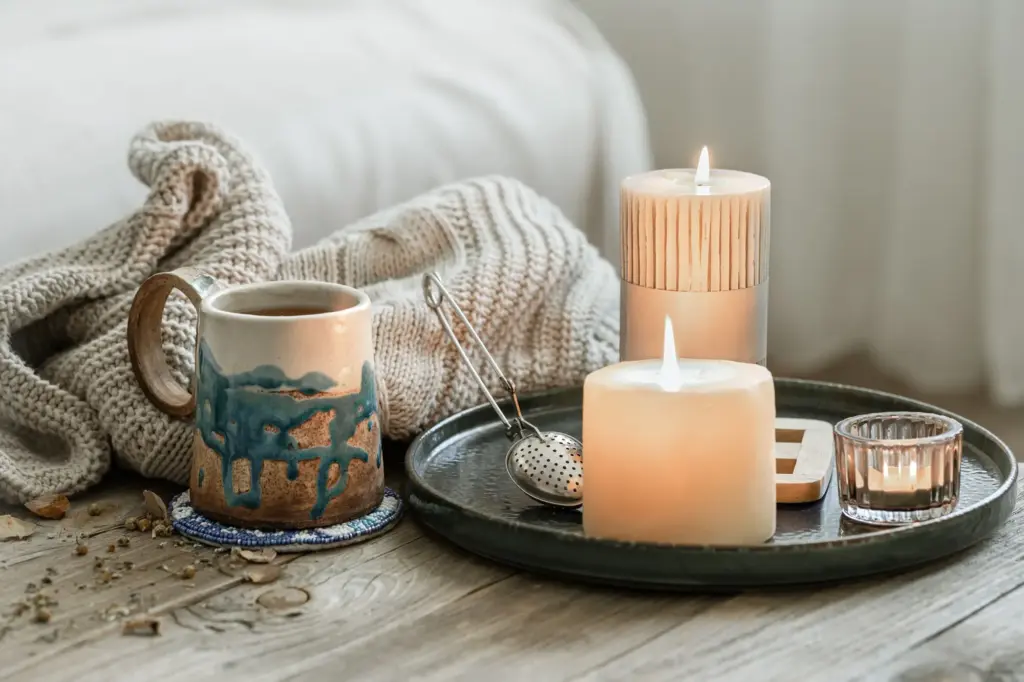
Candles turn moments into markers. A morning spark can align intentions; an evening glow can ask the room to exhale. Pair scents with music, tea, and breathwork so habits feel anchored. Keep matches, snuffer, and trimmer nearby, and let each light be a small promise to pause, notice, and return kindly to yourself.

First Burn Memory and Trimming

Set the candle’s memory on its debut by burning until the melt pool reaches the edges, usually three to four hours. Thereafter, trim to a quarter inch to prevent soot and flares. Recentering a soft wick keeps flames upright. These habits preserve fragrance integrity, extend life, and make every relight as satisfying as the first spark.

Air Quality and Ventilation

Choose clean-burning materials, and watch for signs of incomplete combustion like persistent smoking. Burn shorter sessions in compact rooms, crack a window afterward, and keep HVAC filters fresh. Sensitive noses and pets appreciate moderation. Record reactions in a simple log so you refine burn times, scents, and placement toward air that feels balanced and bright.
Daxifexokaro
Privacy Overview

This website uses cookies so that we can provide you with the best user experience possible. Cookie information is stored in your browser and performs functions such as recognising you when you return to our website and helping our team to understand which sections of the website you find most interesting and useful.