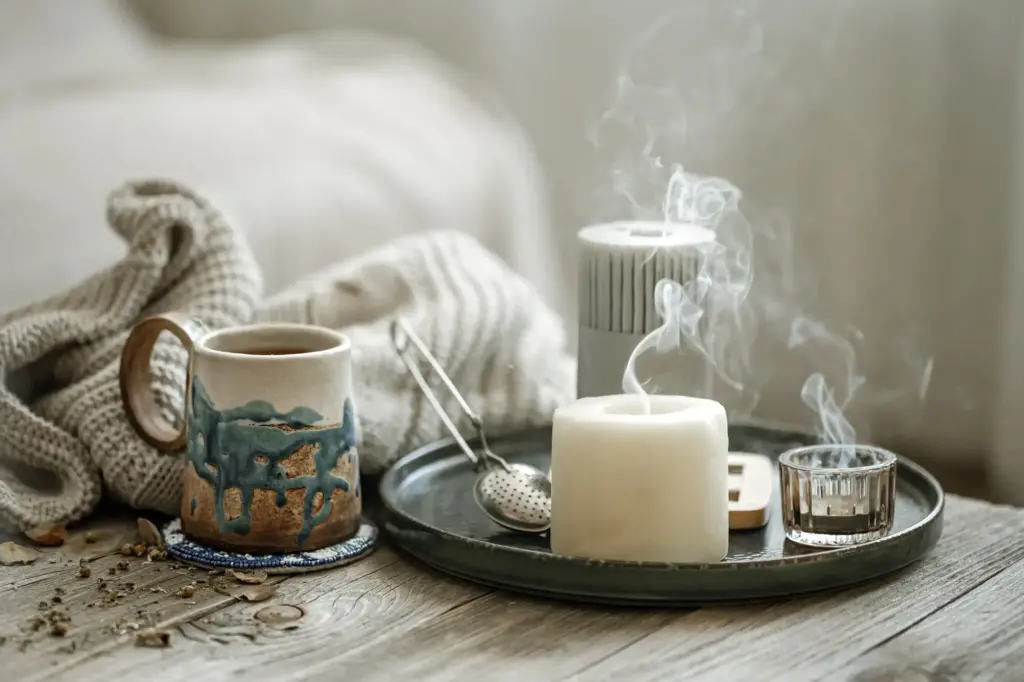
Breathe Easy with Thoughtfully Crafted Home Candles

Join a practical, friendly deep dive into choosing natural waxes, wicks, and oils for cleaner-burning home candles. We will compare real options, explain how small choices shape soot, scent, and safety, and share hands-on testing tips. Expect candid guidance, approachable science, and recipes you can adapt at home, all focused on gentler flames, calmer air, and a more relaxing glow.

Understanding Combustion Basics

Every bright flame is a tiny laboratory where heat melts wax, capillary action feeds fuel, and vaporized molecules burn. If the wick runs too hot, incomplete combustion produces soot. If it runs too cool, tunneling wastes wax. Understanding this balance helps you pick materials that keep your flame centered, steady, and beautifully efficient without surprising smoke or stubborn residue.

Soot, Smoke, and Indoor Air

Cleaner-burning choices reduce the ultra-fine particles that can stain walls or bother sensitive noses. Proper wick size, lower-aromatic waxes, and responsibly formulated oils significantly cut visible smoke. Combine that with good ventilation and burn-time discipline, and you protect surfaces, fabrics, and lungs. Your candle becomes a companion for quiet evenings rather than a source of murky haze or lingering odors.

Balancing Heat, Fuel, and Oxygen

A candle breathes. When oxygen flow is restricted by deep vessels, tight lids, or cluttered surroundings, flames struggle and smolder. When heat overwhelms, fragrance scorches and wicks mushroom. The sweet spot arrives when wick heat, wax viscosity, and air supply harmonize, melting a broad, even pool that burns thoroughly, carries scent gracefully, and leaves glass clear after each relaxing session.

Wax Matters: Plant, Animal, and Mineral Choices Compared

Not all waxes behave the same. Plant-based options like soy, coconut, and rapeseed often burn cooler and hold fragrance gently. Beeswax offers a naturally elegant glow with firm structure. Mineral paraffin can throw scent strongly but may soot more if mismanaged. Understanding melt points, crystal structure, and blend potential helps you tailor performance, sustainability, and cost to your personal priorities.

Wick Wisdom: Size, Material, and Construction

The wick is your candle’s engine. Its braid, thickness, and fibers control fuel flow, flame height, and heat. Cotton flats and squares, paper-core options, and wooden wicks behave differently across wax blends and vessels. Trim length, curl pattern, and priming also matter. Choose thoughtfully, test deliberately, and you will tame mushrooming, prevent tunneling, and invite a quiet, cooperative, low-soot burn.

01

Right-Sizing for Jar Diameter and Wax Type

Start with the vessel’s inner diameter and the wax’s melt point to estimate a suitable wick series and size. Undersized wicks tunnel, while oversized wicks smoke and overheat glass. Make small, methodical adjustments between tests, watch the melt pool after two hours, and continue refining. This patient approach rewards you with a centered flame, clean walls, and beautifully efficient wax consumption.

02

Cotton, Paper-Core, and Wood: How They Differ

Cotton wicks offer familiar predictability, while paper-core designs can provide extra rigidity and capillary lift. Wooden wicks, especially properly cured FSC-certified options, add gentle crackle and broad flame profiles when matched carefully to blends. Each style interacts uniquely with viscosity, fragrance load, and jar geometry. Compare outcomes side by side, then choose the character that suits your preferred ambiance and maintenance habits.

03

Maintenance Habits That Keep Flames Calm

Trim to about 5 millimeters before lighting, and clear any charred debris. Relight in draft-free spaces to avoid leaning flames and sooting. Extinguish with a snuffer or lid to minimize smoke, then re-center the wick while wax is soft. These simple rituals extend candle life, protect glass, and keep air clearer, encouraging more mindful, consistently delightful evenings around your comforting glow.

Fragrance the Right Way: Oils That Respect Your Lungs

A gentle scent elevates mood without overwhelming rooms. Choose responsibly formulated fragrance oils—phthalate-free, IFRA-compliant—and be thoughtful with essential oils, which are powerful botanicals needing careful dilution and testing. Respect flash points, avoid overly heavy vanillin loads in delicate waxes, and keep usage rates modest. With patient curing, you will earn nuanced throw, lower irritation potential, and deeply welcoming spaces.

Testing Protocols for a Cleaner Burn

Treat each candle like a prototype. Cure consistently, label meticulously, and burn in cycles to capture repeatable data. Use a white card to spot soot, record flame height, and photograph melt pools. Adjust one variable at a time. This steady rhythm reveals patterns, shortens your learning curve, and turns uncertainty into confident choices that reward your home with clear glass and serene light.

Reading Certificates, Standards, and Safety Sheets

Safety sheets, conformity declarations, and IFRA statements decode hazards, handling, and legal limits. If a supplier hesitates to provide documents, consider alternatives. Look for COAs that confirm consistency across batches. Transparent paperwork saves time, reduces surprises, and gives peace of mind. Your candles feel more trustworthy when every material arrives with a paper trail that aligns with your standards and values.

Questions to Ask Every Supplier Before You Buy

Where was this wax produced, and how is it refined? What additives or stabilizers are included? How are fragrance oils screened for allergens and restricted substances? Do wooden wicks carry credible certification? Clear, prompt answers distinguish partners who value your goals. Establishing this respectful dialogue early creates smoother projects, fewer defects, and candles that meet your expectations without exhausting rounds of guesswork.

Step-by-Step Starter Recipes and Care

Begin with approachable blends and simple, repeatable methods. Gentle coconut–soy combinations, a measured beeswax option, and thoughtful wick sizes create steady flames that respect air quality. Pair these with respectful fragrance loads and calm curing windows. Finish with care instructions that keep jars tidy and glass clear. Share results, subscribe for updates, and tell us what you tweak so we can celebrate together.

A Gentle Coconut–Soy Jar Candle Blueprint

Try sixty percent coconut with forty percent soy for a creamy, cooler-burning base. Start with a medium cotton wick sized to your jar’s inner diameter, add six to seven percent phthalate-free fragrance, and cure a full week. Expect smooth tops, relaxed flames, and friendly hot throw. Record everything, then adjust wick size or oil load slightly until soot vanishes and your evenings glow effortlessly.

A Cozy Beeswax Blend for Cooler Evenings

Blend seventy percent beeswax with thirty percent coconut for softer handling and improved hot throw. Choose a slightly larger wick than you would for soy, trim before each burn, and consider leaving this candle unscented or lightly accented with resinous notes. The result is dignified light, patient burn rates, and a calm presence that rewards journaling, stretching, reading, and quiet fireside conversations.

Care, Safety, and Enjoyment Rituals

Burn within sight, on heat-safe surfaces, away from drafts, curtains, and curious paws. First burns should reach a full melt pool to prevent tunneling. Trim before each relight and stop when a centimeter of wax remains. Wipe jars gently after cooling. Share your observations with us, join the mailing list, and help refine future experiments that keep your air clear and spirits lifted.
Daxifexokaro
Privacy Overview

This website uses cookies so that we can provide you with the best user experience possible. Cookie information is stored in your browser and performs functions such as recognising you when you return to our website and helping our team to understand which sections of the website you find most interesting and useful.